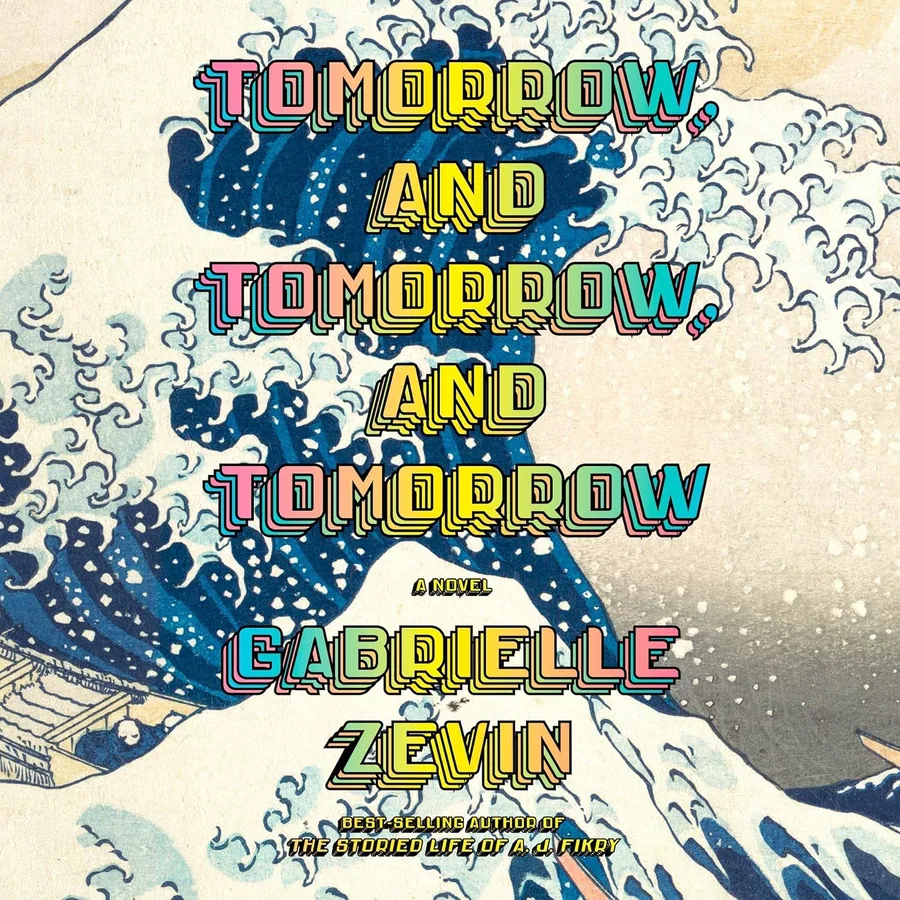
The first thing you notice is the relationship at the center, which Zevin refuses to flatten into romance. Sam and Sadie meet as kids in a hospital game room and reconnect in their twenties, and what binds them is collaboration, not coupling. They make games. They fight about games. They wound each other through games. Zevin understands that work can be the most intimate thing two people share, and she builds the whole book on that insight. When they design together, the prose hums with the specific joy of two minds finishing each other's ideas; when they betray each other, it lands because we've watched exactly what's at stake.
The gaming world is the novel's great gift and its quiet argument. You don't have to know anything about game design to follow this. Zevin uses it as a way to think about second chances, do-overs, and the fantasy of a world where death is just a respawn. There's a recurring tenderness around the idea that play is how we survive grief. The book is also unusually honest about disability and chronic pain, threaded through Sam's life without ever turning him into a lesson. Marx, the third member of their orbit, deserves a mention too; he's the warmth the other two keep reaching toward, and the book is quietly built around what he means to both of them.
Zevin's prose is clean and frequently witty, with a fondness for the long aside and the omniscient observation that steps back to tell you how a moment will look in twenty years. That narration is part of the pleasure. It gives the book the feel of someone reflecting on a friendship from the far side of it. There's real ambition in the structure too, which jumps in time, shifts perspectives, and occasionally hands the point of view to a character you didn't expect, with results that surprised me. One late chapter in particular bends the form in a way that's both a risk and a payoff.
Where it may test some readers: Sam and Sadie are gifted and self-absorbed, and the novel asks you to stay invested in two people who are often unkind, defensive, and slow to apologize. If you want characters who are easy to root for, their stubbornness can grate. The middle stretch, dense with studio politics and creative disputes, occasionally reads more like a chronicle than a story with momentum. And the industry detail, charming to some, will feel like a lot of trade jargon to readers who'd rather the focus stay tight on the feelings.
Why you should read
- Readers who love friendship stories more than conventional romance
- Fans of voice-driven, idea-rich book-club fiction
- Anyone curious about creative partnership and the messiness of long-term collaboration
- Readers drawn to thoughtful treatments of grief, disability, and second chances
What to expect
- Sam and Sadie are often self-absorbed and unkind; readers who want easily likable leads may struggle to stay invested
- The midsection's gaming-industry detail and trade jargon can wear thin, and the pacing slackens during the studio-politics stretches
Still, this is a smart, warm book about ambition and friendship, and the title's Macbeth echo earns its weight by the end. Zevin lets the relationship stay messy and unresolved in ways that feel true to how long friendships actually work. Readers who love voice-driven, idea-rich fiction about creative life and the people we can't quite love or leave will find a lot here to sit with.