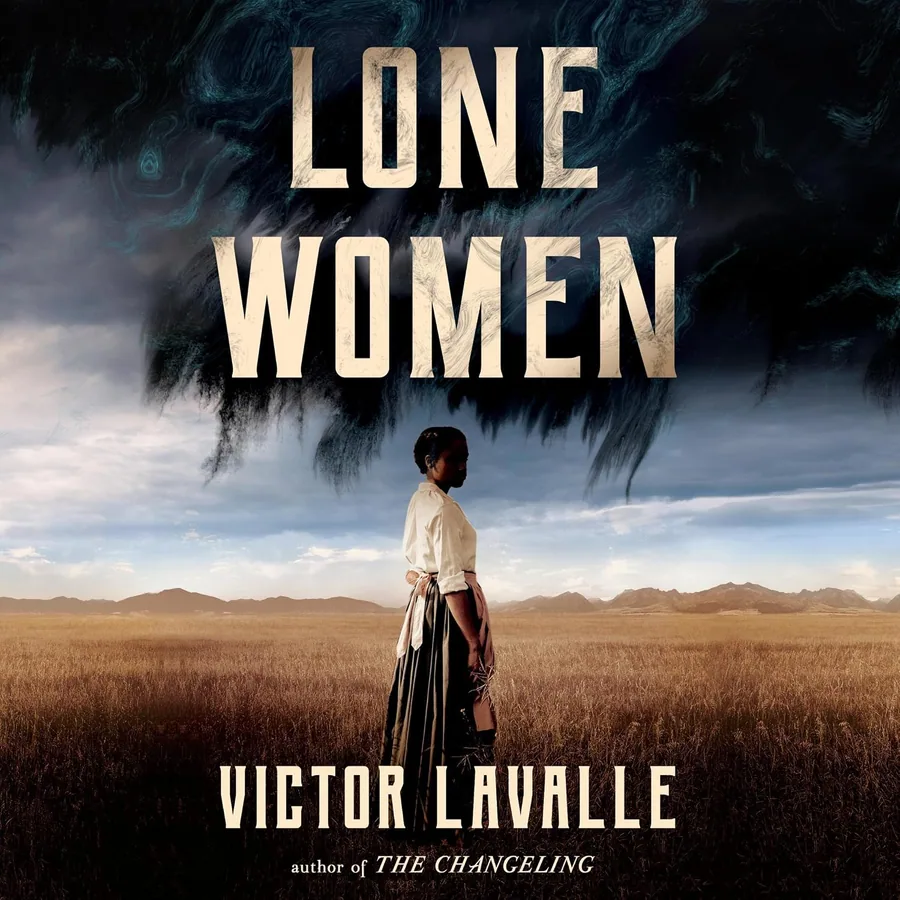
Adelaide Henry is the engine of this book, and she's a marvel. She arrives in Montana hauling a trunk she will not open and will not leave, fleeing a California catastrophe that killed her parents and forced her to run. LaValle gives her a watchfulness that feels earned rather than imposed: a Black woman alone on the high plains, sizing up every stranger for whether they'll help her or hand her over. The prose is lean and muscular, with sudden flashes of beauty when the landscape opens up, and LaValle trusts the reader to sit in dread without spelling out what the trunk holds for a good long while. That restraint is the heart of the book's suspense.
What surprised me most is how much Lone Women is about community. You go in expecting an isolation story, and you get one, but the real warmth comes from the women Adelaide finds out there: other lone homesteaders, outsiders, people the rest of the country would rather not look at. The horror and the kinship are doing the same work. Both ask what you'd protect and who would protect you when the official world has decided you don't count. LaValle keeps the social history sharp without lecturing. The cruelty of the era is rendered in specifics, who gets land and who gets believed, who vanishes and whose vanishing no one bothers to investigate.
As a horror-tinged historical, the book moves with purpose. LaValle has a real gift for the kind of dread that doubles as a moral question, where the monster matters because of what it forces people to choose, not just because it frightens them. My sense, reading it, is that the middle stretch, where Adelaide builds a life and a wary circle, is where the emotional roots go down deepest, so the danger that follows actually costs something. The book is at its best when it lets that tenderness and that menace press against each other.
It won't be for everyone, and the most common sticking point readers raise is pace. Those expecting sustained slow-burn dread the whole way through may feel the later chapters trade atmosphere for momentum and confrontation. A few late-arriving characters get pulled into the orbit fast, and some turns lean on convenient timing in a way that asks for a little goodwill. And if you want your historical fiction strictly realist, the supernatural premise is load-bearing. This is magical realism with teeth, not period drama with a twist.
Why you should read
- Readers who loved the eerie warmth of LaValle's The Changeling
- Fans of historical fiction with a supernatural or horror edge
- Anyone drawn to frontier stories about women, outsiders, and the bonds they build out of necessity
- Book clubs wanting themes of shame, belonging, and inheritance to discuss
What to expect
- Readers wanting pure slow-burn atmosphere may find the second half more action-forward, a common note in reader reactions
- A few plot turns rely on convenient timing and quick character introductions
- If you prefer strictly realist historical fiction, the supernatural premise is central, not incidental
Still, this is a confident, big-hearted novel, and it earns its chills by making you care about who survives them. It gives a book club plenty to argue over, especially the question of whether a thing you've hidden your whole life is a curse to bury or a power to use. The cruelty Adelaide meets is historically specific and the loyalty she finds is hard-won, and both feel true.