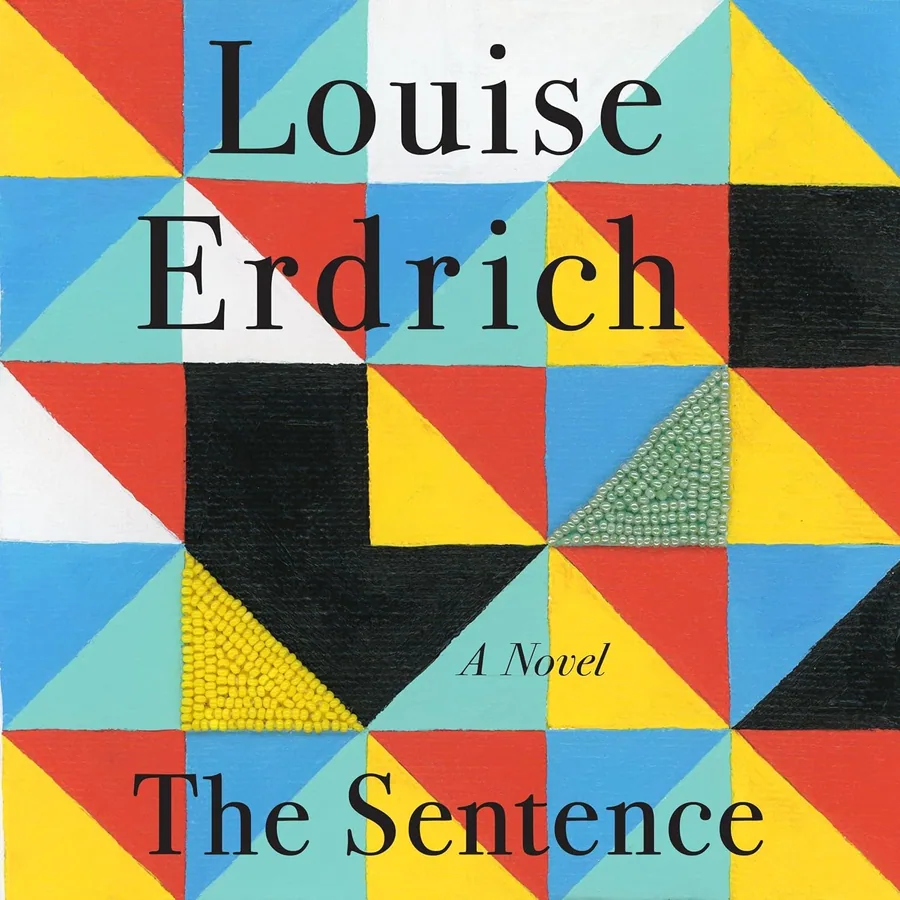
The whole novel rides on Tookie's voice, and what a voice it is. She's sharp, self-mocking, fiercely literate, carrying the weight of a long prison sentence she survived by reading, in the book's own memorable phrase, "with murderous attention." Erdrich gives her a way of speaking that's blunt and lyrical at once, capable of cracking a dark joke and then, a sentence later, landing a quiet truth that stops you. When the most exasperating regular at the bookstore where Tookie works dies and refuses to leave, the haunting feels less like horror than an extension of how the dead stay lodged in the living. Whether the ghost is real or something Tookie carries inside her own head is part of what she has to work out, and Erdrich keeps that question open longer than you expect.
The setting matters. Erdrich owns a bookstore in Minneapolis, and it shows in scenes that hum with the specific texture of the work: the misfiled returns, the customers who confess their lives at the counter, the handwritten staff picks slipped across the desk. She folds in book lists, the small thrill of matching a reader to the exact thing they didn't know they needed, the way reading can be a form of survival. For anyone who has spent real time in a good bookstore, these passages alone earn their keep.
Then the calendar tightens. The story runs from one All Souls' Day to the next, which walks it straight into the spring of 2020, the pandemic, and the murder of George Floyd in the city Tookie calls home. Erdrich doesn't keep these events at a comfortable distance; she drops her characters down inside them. The grief and fury feel raw and close, and the haunting starts to rhyme with a larger national one. It's a bold structural move, and not every reader loves it. Some find the turn jarring, the documentary urgency of the back half at odds with the gentler, funnier bookstore comedy that opens the novel. I admired the ambition, but I understand the readers who felt the seams.
What holds it together is Erdrich's interest in debt and language. The title carries every meaning at once: a prison term, a grammatical unit, a death, a thing spoken that can't be unsaid. The book keeps asking what we owe the dead, the reader, the word on the page. Tookie's marriage to Pollux, the man who arrested her years before, gives the novel its emotional center, a complicated, grown-up love built on guilt and tenderness. Their scenes are some of the best in the book, funny and tender and genuinely sad.
Why you should read
- Readers who love voice-driven literary fiction with a strong, witty narrator
- Anyone devoted to independent bookstores and the culture of reading
- Fans of Erdrich's earlier work and stories steeped in Ojibwe life and family
- Book clubs wanting a discussable novel about grief, justice, and 2020
What to expect
- Readers wanting a tightly plotted ghost story may find the haunting overshadowed by the novel's many digressions and real-world events, and some feel the ending wraps up abruptly
- The pandemic and 2020 unrest are rendered up close; some readers found that material emotionally heavy or jarring against the lighter bookstore scenes
The pacing is the honest caveat. This is a roomy, digressive book that wanders through book lists, family history, current events, and ghost lore, and the haunting sometimes sits quietly in a corner while everything else demands the room. Readers who came for a tight supernatural plot may feel it gets crowded out, and a fair number found the ending arrives more abruptly than the slow build promises. But if you're willing to follow a voice rather than a plot engine, the rewards run deep.