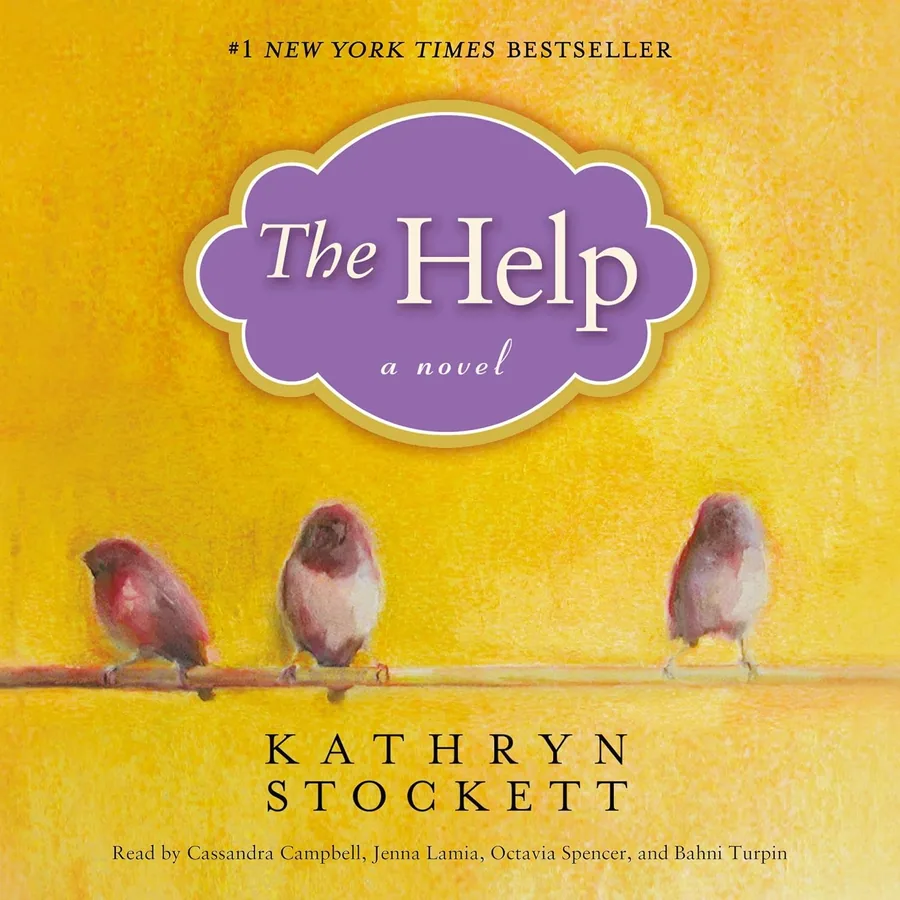
The first thing you notice about The Help is the voices. Stockett rotates the narration among three women — Aibileen, the maid who raises white children while grieving her own losses; Minny, whose mouth gets her fired as often as her cooking gets her hired; and Skeeter, the privileged white college graduate who senses something rotten in the world she was raised to accept. Each woman sounds like herself on the page, distinct in rhythm and worry. Aibileen carries a tenderness that has been bruised but not killed. Minny is the comic engine and the moral spine at once, sharp-tongued and frightened in ways she won't say out loud. Skeeter is awkward, ambitious, and not always likable, which is one of the book's smarter choices.
The premise is deceptively simple: Skeeter wants to write a book collecting the true experiences of black maids working in white households, and to do that, these women have to trust each other across a line that, in 1962 Jackson, could get them beaten, jailed, or worse. Stockett builds the tension out of small domestic moments — a bathroom installed in a garage, a pie, a withheld paycheck — and lets the larger danger hum underneath. The pacing is steady rather than breathless; this is a novel that accumulates rather than sprints, and the payoff comes from watching ordinary kitchen-table conversations turn into acts of real bravery.
What moves me most is how Stockett handles the gap between intimacy and power. These maids know everything about the families they serve — what they eat, who they love, how they raise their children — and are treated as if they're invisible. The book sits in that ache: women who pour love into children who will grow up to talk down to them. Aibileen's relationship with the little girl she cares for is the emotional core, and it earns its tears honestly. The humor, mostly Minny's, keeps the whole thing from curdling into misery; Stockett knows that people under pressure laugh, and that laughter is its own form of resistance.
This is, plainly, a book-club novel in the best sense — propulsive enough to finish, layered enough to argue about. It asks who gets to tell a story, what risk costs, and whether good intentions can ever be enough. Readers who loved the warmth and moral weight of novels like The Secret Life of Bees will find a kindred book here, and anyone drawn to multiple-narrator Southern fiction with a strong sense of place will settle right in.
Why you should read
- Readers who loved The Secret Life of Bees or Southern multi-narrator fiction
- Book clubs wanting a discussable, emotionally charged read
- Fans of historical fiction grounded in domestic, everyday detail
- Anyone drawn to strong, distinct first-person voices
What to expect
- Rotating first-person narration that shifts tone and rhythm with each chapter
- A warm but unflinching look at racial and class dynamics in the Jim Crow South
- Moments of genuine comedy woven tightly alongside grief and injustice
- A slow build toward collective action that feels earned rather than rushed
- Emotionally generous storytelling with an undercurrent of real danger
One honest note for the right expectations: some readers have raised fair questions about a white author writing in the dialect and interior lives of black women, and about a narrative where a white character helps carry the story forward. If you come to it looking for an unvarnished, firsthand account of the civil rights era, you may want to read it alongside memoirs and fiction by Black authors of the period. Taken as what it is — a deeply readable, emotionally generous novel about courage and complicity — it holds up beautifully and tends to stay with people long after the last page.