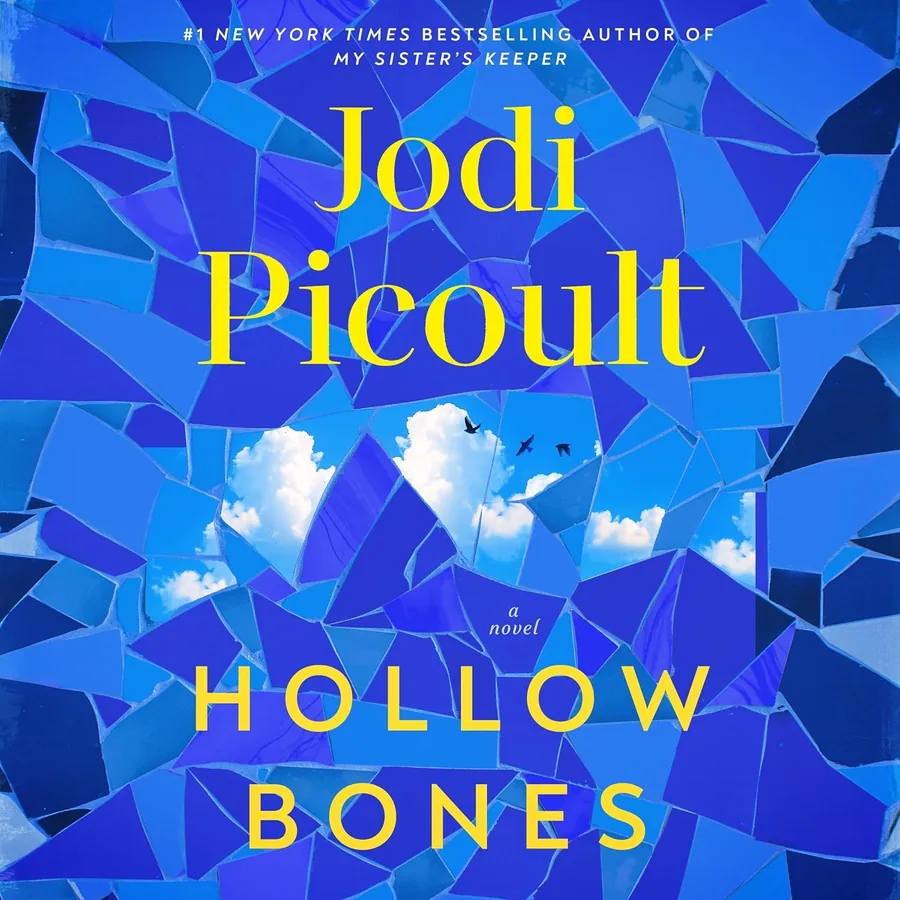
Jodi Picoult has written a novel that wants an argument from you, and it gets one, sometimes from the same reader on two different pages.
Molly Fitzgerald was two months old on September 11, 2001, the day her mother went to the World Trade Center for an appointment and never came home. She grew up loved by her father and by the stepmother who raised her, and she grew up braced for the next catastrophe. Now she directs Rhode Island's Department for Emergency Preparedness, a job that means rehearsing the worst day so strangers survive it. Her marriage to Jesse, a polygraph examiner for the police with a crisis of his own in his past, is new and good. Then the ground moves under both of them, and the book starts cutting between past and present to show how a family arrived at the story it has been telling itself.
What holds the whole thing together is Eloise, and the way Picoult writes her. Eloise is a new mother living through postpartum psychosis, a condition most of us know almost nothing about, and the novel gives her an inner life instead of a diagnosis. Readers keep saying they came out of it with more compassion than they went in with, and I understand why. The research is visible but never lectures. Each character gets a distinct voice and a share of being right, which is why the book argues back at you: sympathy keeps changing hands as the timeline shifts, and none of the turns feel engineered to jerk a tear.
The craft is in the pairing. A daughter who spends her days planning for disaster, and a mother whose disaster happened inside her own head, are two versions of the same question about what we do to keep the people we love safe. September 11 is the anchor, and the twenty-fifth anniversary gives the setting a weight the pages use well. Jesse, whom fans will recognize from My Sister's Keeper, is a real pleasure to see again, even if he is so decent he sometimes drifts toward saint.
Some of it is hard to read. A few scenes involve child abuse, including sexual abuse, and they land with force, so go in knowing that. The other friction point is a human one. Several readers feel the family turns on Evie, the stepmother who raised Molly, with a speed that doesn't match what she gave them, and that the closing stretch leaves her fate too open. The ending also splits people on pace, some finding it drawn out and others rushed. I'd call those fair complaints from readers who got attached, which says something about how well Evie is drawn.
The prose keeps its grip anyway. It moves quickly, the timeline jumps don't lose anyone, and the surprises arrive without the feeling of being rigged. People finish it in a sitting, then keep thinking about it. The author's notes at the back are worth your time, too.
Why you should read
- Picoult fans who want My Sister's Keeper characters back
- Book clubs that enjoy a moral argument
- Readers drawn to mother and daughter stories
- Fiction that treats mental illness with research and care
What to expect
- Timeline jumps between past and present
- Distinct voices, with sympathy that shifts as you read
- A few difficult scenes of child abuse
- An ending some find rushed and some drawn out
What stays is the idea that no emergency plan covers a family. You can map every storm and epidemic, and Hollow Bones shows what happens when the crisis is a person you love, and the story you were told about her is the thing that breaks.