Where to read or listen
- Is there an audiobook of How to Rule the World?
- Yes. How to Rule the World has an Audible audiobook edition, narrated by Theo Baker.Listen free with Audible
We earn from qualifying Amazon purchases.
- How long is the How to Rule the World audiobook?
- The How to Rule the World audiobook runs 11 hr 31 min.
- Is How to Rule the World on Kindle Unlimited?
- No. How to Rule the World was not included with Kindle Unlimited when we last checked on October 1, 2026.
- What formats is How to Rule the World available in?
- On Amazon, How to Rule the World comes as a Kindle ebook and a hardcover.
Common questions
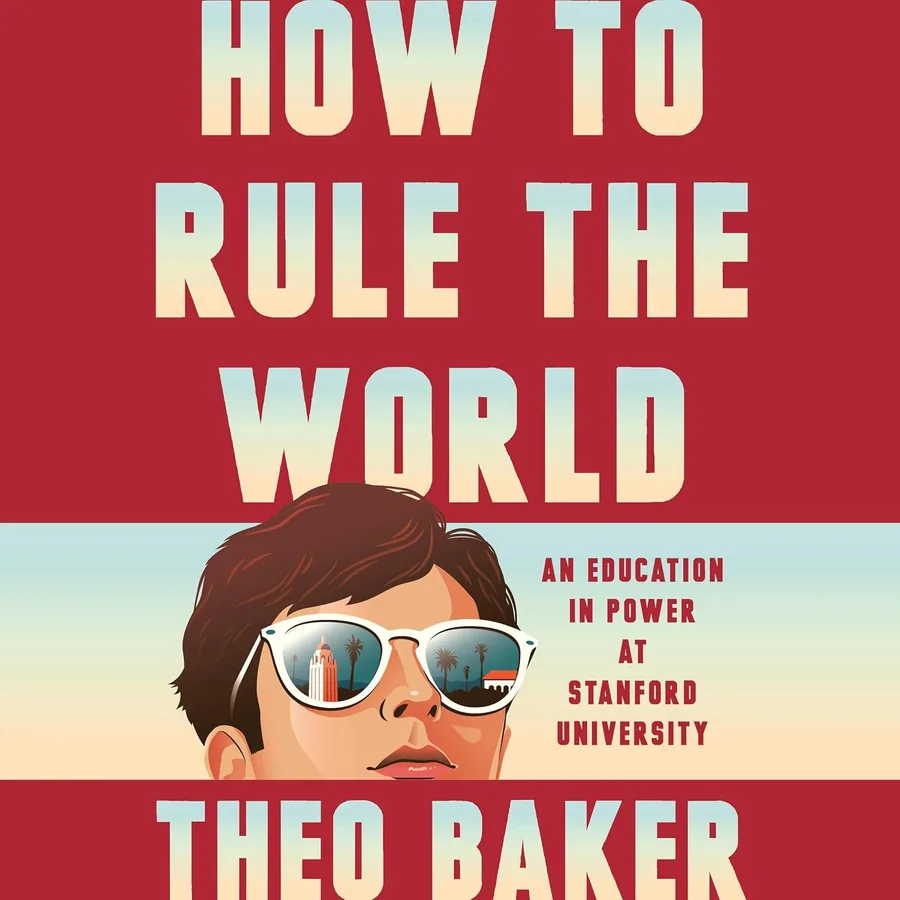
- What is How to Rule the World: An Education in Power at Stanford University about?
- Baker came to Stanford at seventeen, a coder who half-expected utopia, and the early chapters capture that arrival with a kid's wide eyes and a reporter's nose for the absurd. The campus he describes is a place where sculpture gardens sit a short walk from serious laboratories, where Olympians and…
- Is How to Rule the World: An Education in Power at Stanford University worth reading?
- We scored How to Rule the World: An Education in Power at Stanford University 4.8 out of 5. Theo Baker's How to Rule the World follows a tech-obsessed teenager who arrived at Stanford expecting paradise and ended up, as a freshman reporter, breaking the story that toppled the university president. It's a sharp, funny, sometimes anxious account of how elite…
Advertisement
More like this
Related books

Disrupting the Game: From the Bronx to the Top of Nintendo
Reggie Fils-Aime

When Breath Becomes Air
Paul Kalanithi

Can't Hurt Me: Master Your Mind and Defy the Odds
David Goggins

I'm Glad My Mom Died
Jennette McCurdy

Just Mercy
Bryan Stevenson

Rich Dad Poor Dad: What the Rich Teach Their Kids About Money That the Poor and Middle Class Do Not!
Robert T. Kiyosaki

The 7 Habits of Highly Effective People: 30th Anniversary Edition (The Covey Habits Series)
Stephen R. Covey

You with the Sad Eyes
Christina Applegate

The Big Short: Inside the Doomsday Machine
Michael Lewis

The Glass Castle
Jeannette Walls