Where to read or listen
- Is there an audiobook of The Glass Castle?
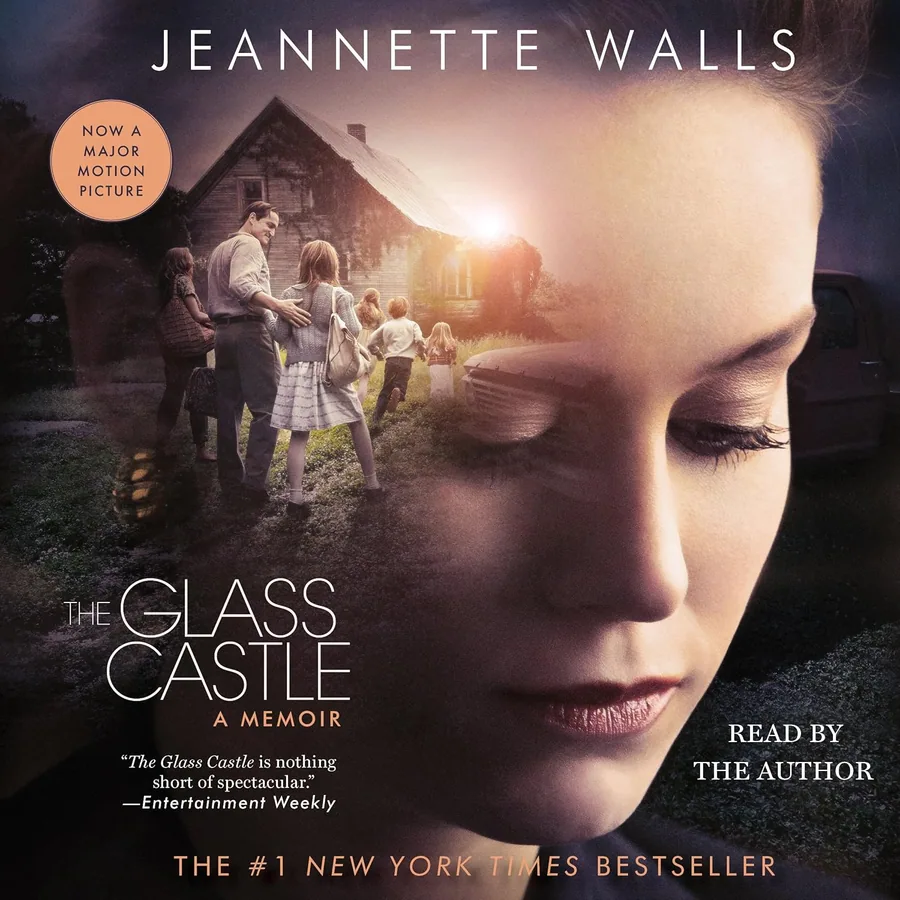
- Yes. The Glass Castle has an Audible audiobook edition, narrated by Jeannette Walls.Listen free with Audible
We earn from qualifying Amazon purchases.
- Is The Glass Castle on Kindle Unlimited?
- No. The Glass Castle was not included with Kindle Unlimited when we last checked on October 9, 2026.
- What formats is The Glass Castle available in?
- On Amazon, The Glass Castle comes as a Kindle ebook, a paperback and a hardcover.
Common questions
- What is The Glass Castle about?
- Most memoirs about hard childhoods come pre-loaded with a verdict. Walls does something harder: she narrates her early life mostly from the inside, in the voice of the kid she was, so we feel the wonder before we register the danger. Her father, Rex, is brilliant when sober—teaching the children…
- Is The Glass Castle worth reading?
- We scored The Glass Castle 4.6 out of 5. Jeannette Walls's The Glass Castle is a memoir of growing up poor and nomadic under two parents who were equal parts magnetic and ruinous. It's a clear-eyed account of childhood neglect that somehow refuses to curdle into bitterness, and that restraint is exactly what makes it…
Advertisement
More like this
Related books

You with the Sad Eyes
Christina Applegate

Disrupting the Game: From the Bronx to the Top of Nintendo
Reggie Fils-Aime

Born a Crime
Trevor Noah

Swan Song: Diana, My Sister
Charles Spencer

A Walk in the Park: The True Story of a Spectacular Misadventure in the Grand Canyon
Kevin Fedarko

Educated
Tara Westover

A Rumor of War
Philip Caputo

Lone Survivor: The Eyewitness Account of Operation Redwing and the Lost Heroes of SEAL Team 10
Marcus Luttrell

The Seven Storey Mountain
Thomas Merton

Kitchen Confidential: Adventures in the Culinary Underbelly
Anthony Bourdain