Where to read or listen
- Is there an audiobook of Educated?
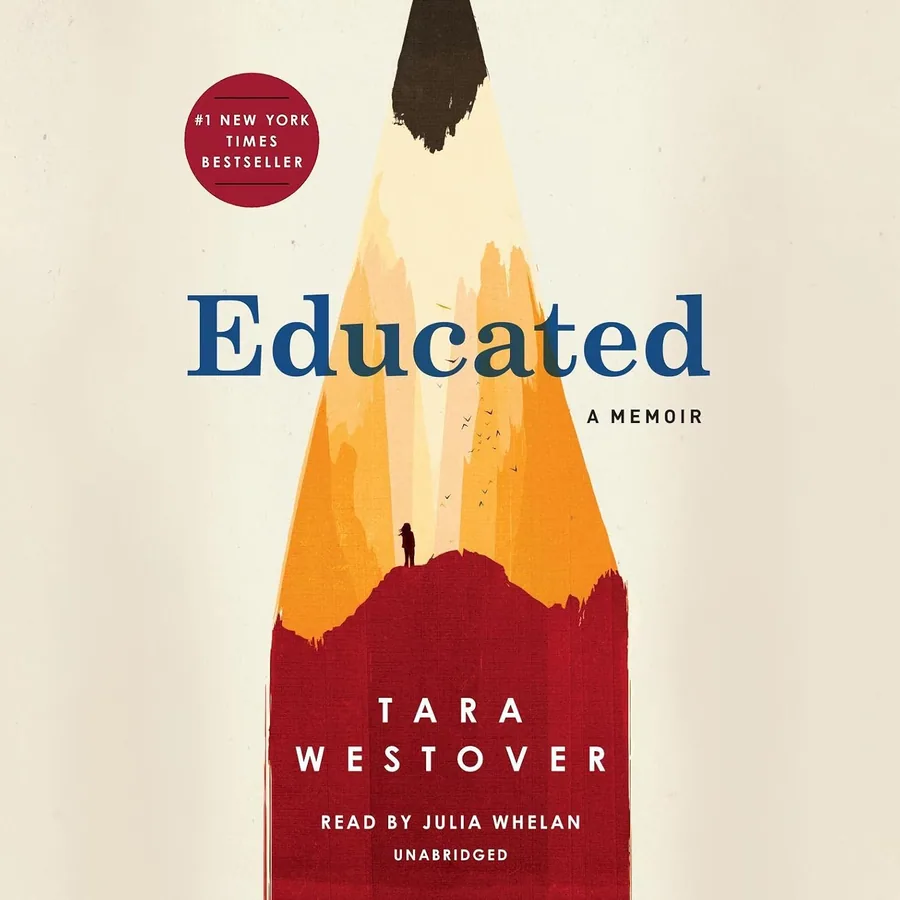
- Yes. Educated has an Audible audiobook edition, narrated by Julia Whelan.Listen free with Audible
We earn from qualifying Amazon purchases.
- How long is the Educated audiobook?
- The Educated audiobook runs 12 hr 10 min.
- Is Educated on Kindle Unlimited?
- No. Educated was not included with Kindle Unlimited when we last checked on October 5, 2026.
- What formats is Educated available in?
- On Amazon, Educated comes as a Kindle ebook, a paperback and a hardcover.
Common questions
- What is Educated about?
- I went into Educated expecting another mountain-to-Cambridge success story and got something messier and better. Westover grew up under a father whose convictions ran the house, on a property where formal schooling didn't exist and a hospital was treated as a thing to fear. The early chapters have…
- Is Educated worth reading?
- We scored Educated 4.5 out of 5. Tara Westover's Educated is a memoir about clawing your way into knowledge when your family treats school as a danger. Raised by Mormon survivalists in the Idaho mountains, she doesn't enter a real classroom until her late teens and eventually earns a doctorate abroad. It's a…
Advertisement
More like this
Related books

Swan Song: Diana, My Sister
Charles Spencer

A Walk in the Park: The True Story of a Spectacular Misadventure in the Grand Canyon
Kevin Fedarko

A Rumor of War
Philip Caputo

Lone Survivor: The Eyewitness Account of Operation Redwing and the Lost Heroes of SEAL Team 10
Marcus Luttrell

The Seven Storey Mountain
Thomas Merton

Kitchen Confidential: Adventures in the Culinary Underbelly
Anthony Bourdain

You with the Sad Eyes
Christina Applegate

True Crime: A Memoir
Patricia Cornwell

Strangers: A Memoir of Marriage
Belle Burden

Disrupting the Game: From the Bronx to the Top of Nintendo
Reggie Fils-Aime