Where to read or listen
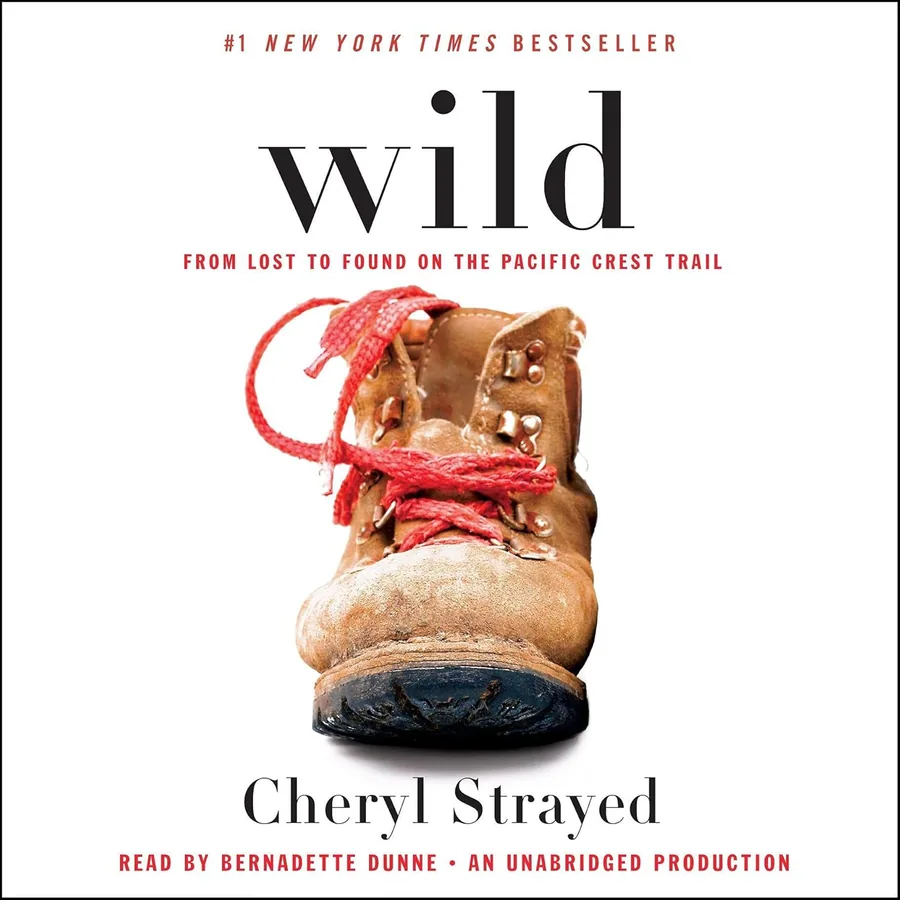
- Is there an audiobook of Wild: From Lost to Found on the Pacific Crest Trail?
- Yes. Wild: From Lost to Found on the Pacific Crest Trail has an Audible audiobook edition, narrated by Bernadette Dunne.Listen free with Audible
We earn from qualifying Amazon purchases.
- How long is the Wild: From Lost to Found on the Pacific Crest Trail audiobook?
- The Wild: From Lost to Found on the Pacific Crest Trail audiobook runs 13 hr 2 min.
- Is Wild: From Lost to Found on the Pacific Crest Trail on Kindle Unlimited?
- No. Wild: From Lost to Found on the Pacific Crest Trail was not included with Kindle Unlimited when we last checked on October 3, 2026.
- What formats is Wild: From Lost to Found on the Pacific Crest Trail available in?
- On Amazon, Wild: From Lost to Found on the Pacific Crest Trail comes as a Kindle ebook, a paperback and a hardcover.
Common questions
- What is Wild: From Lost to Found on the Pacific Crest Trail about?
- The premise sounds like a stunt: a young woman, wrecked by her mother's death and her own bad decisions, straps on a pack she can barely lift and walks from the Mojave to Washington State alone. What keeps Wild from being a feel-good adventure is how unsentimental Strayed is about her own folly…
- Is Wild: From Lost to Found on the Pacific Crest Trail worth reading?
- We scored Wild: From Lost to Found on the Pacific Crest Trail 4.3 out of 5. Cheryl Strayed's Wild is a memoir of grief and a thousand-mile solo hike along the Pacific Crest Trail, written by someone with no business attempting it and every reason to try. It braids a present-tense trek from the Mojave to Washington against flashbacks to the loss that…
Advertisement
More like this
Related books

Four Seasons in Rome: On Twins, Insomnia, and the Biggest Funeral in the History of the World
Anthony Doerr

Famesick: A Memoir
Lena Dunham

A Moveable Feast
Ernest Hemingway

H Is for Hawk
Helen Macdonald

In Patagonia
Bruce Chatwin

The Great Railway Bazaar: By Train Through Asia
Paul Theroux

Crying in H Mart
Michelle Zauner

Girl in a Band: A Memoir
Kim Gordon

Tina Fey: Bossypants
Tina Fey

True Crime: A Memoir
Patricia Cornwell