Where to read or listen
- Is there an audiobook of The Big Short: Inside the Doomsday Machine?
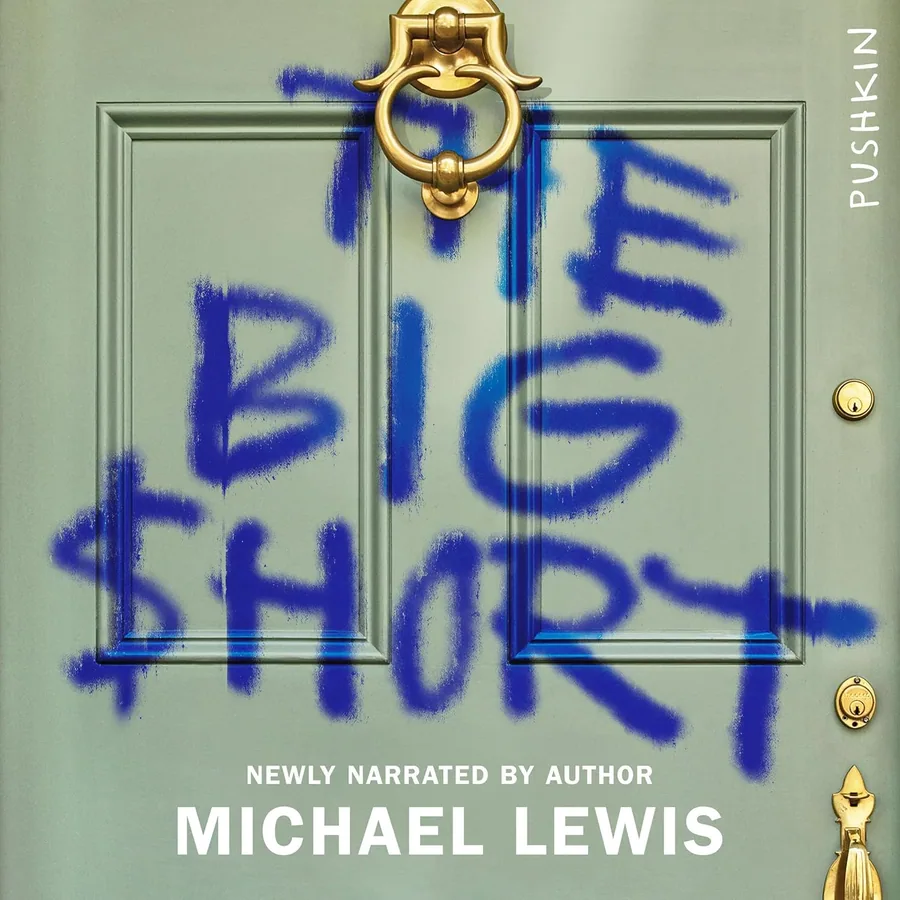
- Yes. The Big Short: Inside the Doomsday Machine has an Audible audiobook edition, narrated by Michael Lewis.Listen free with Audible
We earn from qualifying Amazon purchases.
- How long is the The Big Short: Inside the Doomsday Machine audiobook?
- The The Big Short: Inside the Doomsday Machine audiobook runs 9 hr 43 min.
- Is The Big Short: Inside the Doomsday Machine on Kindle Unlimited?
- No. The Big Short: Inside the Doomsday Machine was not included with Kindle Unlimited when we last checked on October 3, 2026.
- What formats is The Big Short: Inside the Doomsday Machine available in?
- On Amazon, The Big Short: Inside the Doomsday Machine comes as a Kindle ebook, a paperback and a hardcover.
More by Michael LewisSee every Michael Lewis book we've reviewed, with our scores.All Michael Lewis books →
Common questions
- What is The Big Short: Inside the Doomsday Machine about?
- The trick Lewis pulls off is making the most opaque corner of modern finance feel legible without dumbing it down. Subprime mortgage bonds, collateralized debt obligations, credit default swaps. These are terms engineered to make ordinary people stop reading. Lewis doesn't lecture his way through…
- Is The Big Short: Inside the Doomsday Machine worth reading?
- We scored The Big Short: Inside the Doomsday Machine 4.6 out of 5. Michael Lewis turns the 2008 financial crisis into the story of a few outsiders who saw the mortgage bond market for the disaster it was and bet against it. The Big Short is narrative nonfiction at its sharpest, explaining how Wall Street built something almost nobody…
Advertisement
More like this
Related books

Disrupting the Game: From the Bronx to the Top of Nintendo
Reggie Fils-Aime

The Lean Startup: How Today's Entrepreneurs Use Continuous Innovation to Create Radically Successful Businesses
Eric Ries

Hidden Valley Road
Robert Kolker

Range: Why Generalists Triumph in a Specialized World
David Epstein

Moneyball: The Art of Winning an Unfair Game
Michael Lewis

Influence: The Psychology of Persuasion
Robert B. Cialdini

Biological War: A Scenario
Annie Jacobsen

The Reverse Centaur's Guide to Life After AI: How to Think About Artificial Intelligence—Before It's Too Late
Cory Doctorow

Billion Dollar Whale: The Man Who Fooled Wall Street, Hollywood, and the World
Bradley Hope & Tom Wright

The 4-Hour Workweek, Expanded and Updated: Expanded and Updated, With Over 100 New Pages of Cutting-Edge Content.
Timothy Ferriss