
Pick 01 · Top match
The Testaments
by Margaret Atwood
4.7/ 5Outstanding
Like The Handmaid's Tale, it leans into dystopian and literary fiction. Dystopian fiction told from inside the machinery of power
Starting point — pull a thread
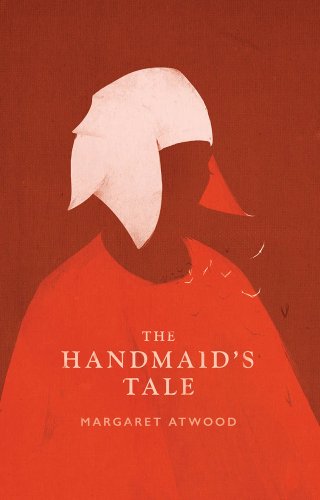
If you loved The Handmaid's Tale by Margaret Atwood.
The Handmaid’s Tale is terrifying because Atwood invented nothing: every cruelty in Gilead has a historical receipt. If you want fiction with that same unflinching intelligence — regimes that control bodies, futures built from the worst of the past, and narrators who keep a self alive anyway — these reviewed novels belong next on your list.
Why these match
Quick answer
Start with The Testaments, Red Rising (Red Rising Series Book 1), or Scythe. They are the closest matches in our reviewed catalog; the full list below explains where each recommendation overlaps and where it goes its own way.
Updated August 2026
Pick 01 · Top match
by Margaret Atwood
Like The Handmaid's Tale, it leans into dystopian and literary fiction. Dystopian fiction told from inside the machinery of power
Advertisement

Pick 02
by Pierce Brown
Atwood's Gilead controls through doctrine; Pierce Brown's caste system controls through spectacle, and Red Rising follows a Martian miner who infiltrates the academy that trains the ruling elite so he can burn the whole hierarchy down from inside it. Faster and more violent than Atwood, but it shares her conviction that the worst regimes are built, not born.

Pick 03
by Neal Shusterman
It shares The Handmaid's Tale's dystopian and science fiction pull. Dystopian premises with a real philosophical argument inside

Pick 04
by George Orwell
Atwood has said she wrote The Handmaid's Tale in direct conversation with Orwell, and it shows: 1984 is the blueprint for a state that survives by controlling thought, language, even love. Winston Smith and Offred are caught in the same trap, watching how much of a self can be stripped away once a regime decides a body and a mind both belong to it. Orwell's cruelty is colder and more bureaucratic, but the diagnosis matches Atwood's exactly: total power needs total control over what's true and who's allowed to want anything at all.

Pick 05
by Emily St. John Mandel
Twenty years after a pandemic empties the world, Station Eleven's survivors rebuild into fragile new societies, and one of them curdles into a cult led by a self-styled Prophet who claims teenage girls as brides. It's a quieter book than Atwood's, more interested in art and memory than resistance, but it knows exactly how fast a collapsed world can regrow control over women's bodies.

Pick 06
by Octavia E. Butler
Octavia Butler follows a teenage girl walking through a California where the social contract has failed, and women are especially exposed to what fills the vacuum: predation, indenture, control dressed up as protection. Lauren Olamina builds her own belief system rather than wait to be saved, dystopia from ground level and just as clear-eyed as Atwood about what happens to women when order collapses.

Pick 07
by Ray Bradbury
A fireman who burns books for a living starts unraveling once a teenage neighbor asks him one honest question. Bradbury's society traded thought for comfort rather than fear, but the receipts behind its cruelty feel just as real.

Pick 08
by Margaret Atwood
This is Atwood's other dystopia, and it shares Gilead's cold eye for how systems commodify women's bodies: Oryx, the woman at its center, is trafficked and sold long before the world ends. Crake's biotech apocalypse plays out mostly through men's decisions, but the wreckage lands on women first, just as it does in Gilead. Sharp, satirical, and just as bleak.
As an Amazon Associate we earn from qualifying purchases. The price you pay is the same; the commission helps keep the lights on.
No Kindle yet? See which e-reader to get →
Listen free with a trial
Your next read, on audio
As an Amazon Associate, we earn from qualifying purchases. This helps support the site at no extra cost to you.
Common questions
Keep exploring
Still hunting for your next read? Browse every read-alike list →