Where to read or listen
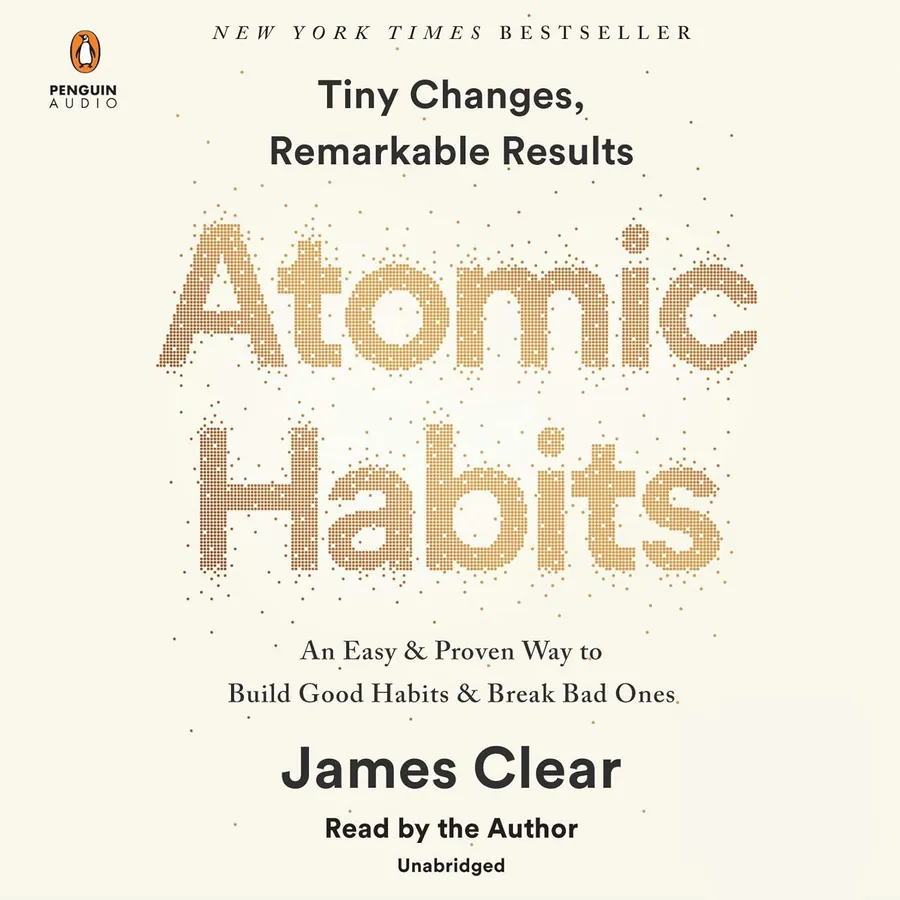
- Is there an audiobook of Atomic Habits?
- Yes. Atomic Habits has an Audible audiobook edition, narrated by James Clear.Listen free with Audible
We earn from qualifying Amazon purchases.
- How long is the Atomic Habits audiobook?
- The Atomic Habits audiobook runs 5 hr 35 min.
- Is Atomic Habits on Kindle Unlimited?
- No. Atomic Habits was not included with Kindle Unlimited when we last checked on October 10, 2026.
- What formats is Atomic Habits available in?
- On Amazon, Atomic Habits comes as a Kindle ebook and a hardcover.
Read-alikesLoved this one? We picked what to read next.Books like Atomic Habits: An Easy & Proven Way to Build Good Habits & Break Bad Ones →
Common questions
- What is Atomic Habits: An Easy & Proven Way to Build Good Habits & Break Bad Ones about?
- What sets Atomic Habits apart from the crowded self-improvement shelf is that Clear treats habit formation like an engineering problem rather than a motivation problem. His central reframe lands early and keeps paying off. To paraphrase his thesis, you tend to slide down to whatever your habits…
- Is Atomic Habits: An Easy & Proven Way to Build Good Habits & Break Bad Ones worth reading?
- We scored Atomic Habits: An Easy & Proven Way to Build Good Habits & Break Bad Ones 4.8 out of 5. James Clear's Atomic Habits is a practical, tightly organized guide to behavior change that argues your systems matter more than your willpower. If you've tried to build a routine and watched it collapse, this book offers an actual mechanism for why, plus small tactics you can…
Advertisement
More like this
Related books

The Gifts of Imperfection: Let Go of Who You Think You're Supposed to Be and Embrace Who You Are
Brené Brown

Be Your Own Bestie: A No-Nonsense Guide to Changing the Way You Treat Yourself
Misha Brown

The 7 Habits of Highly Effective People: 30th Anniversary Edition (The Covey Habits Series)
Stephen R. Covey

Deep Work: Rules for Focused Success in a Distracted World
Cal Newport

The Power of Habit: Why We Do What We Do in Life and Business
Charles Duhigg

Daring Greatly: How the Courage to Be Vulnerable Transforms the Way We Live, Love, Parent, and Lead
Brené Brown

Tiny Habits: The Small Changes That Change Everything
BJ Fogg PhD

Range: Why Generalists Triumph in a Specialized World
David Epstein

Outliers: The Story of Success
Malcolm Gladwell

Mindset: The New Psychology of Success
Carol S. Dweck